Shopify Hydrogen vs Other Headless Commerce: Which One is Right for Your Business?

By Robin Laseur

The ecommerce world is growing, and the needs of online stores are more complex than just “being able to sell.” Modern businesses want a shopping experience that is fast, engaging, and true to their brand. This is where Headless Commerce comes in.
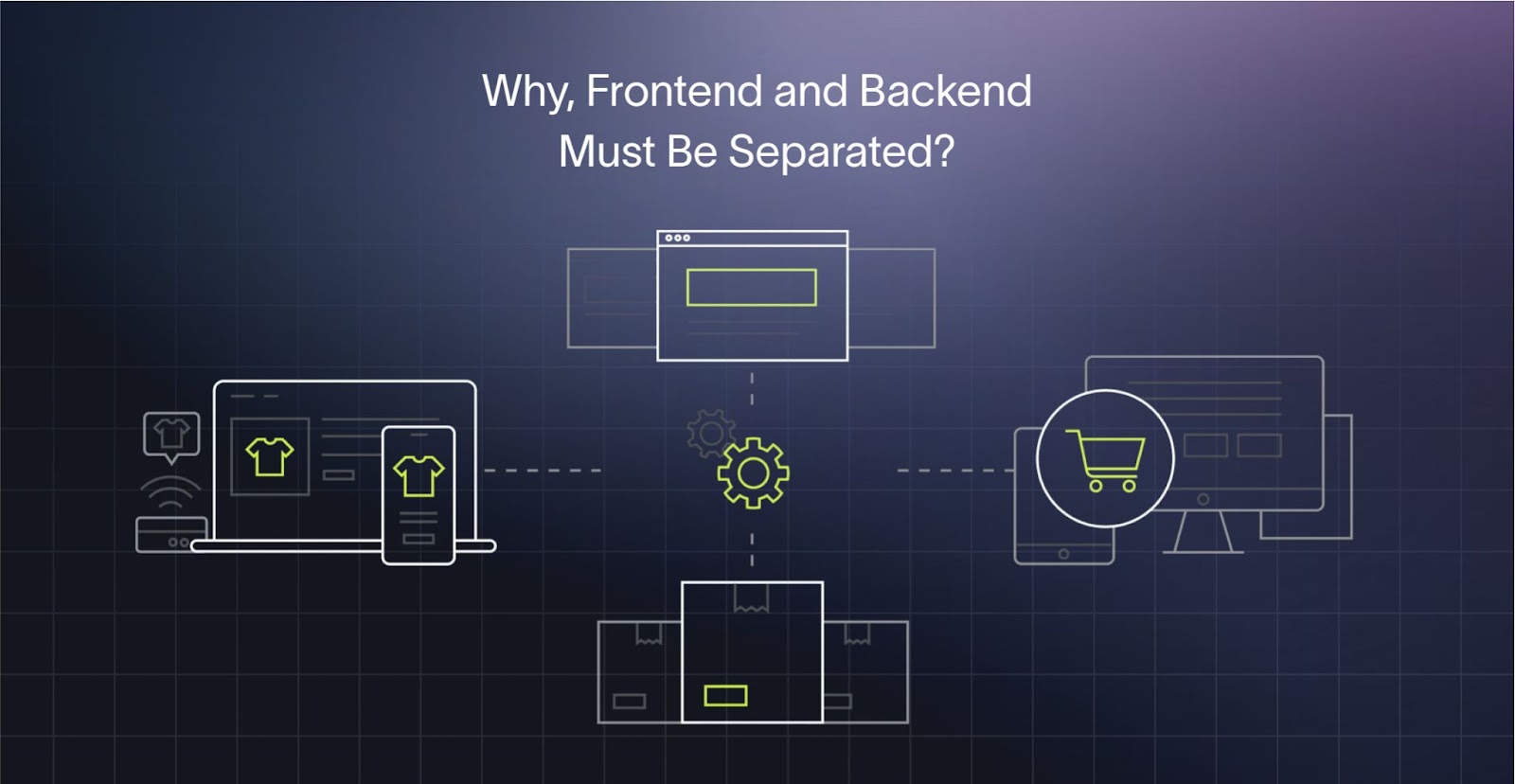
Headless Commerce allows you to separate the backend (where you manage your data and products) from the frontend (where your storefront looks). This gives you incredible flexibility to customize your online store to your needs.
For Shopify users, the good news is that you don’t have to build Headless Commerce from scratch. Shopify offers Shopify Hydrogen, a framework specifically designed to make Headless solutions more accessible to Shopify users.
But what if your needs are more complex or outside the boundaries of the Shopify ecosystem? This is where other Headless Commerce options come into play. So when should you choose Shopify Hydrogen, and when is it time to look elsewhere? Let’s dive in.
What Is Headless Commerce?
Headless Commerce is a new approach to building an online store that separates the backend (where you manage your product data, orders, and inventory) from the frontend (the appearance and user experience of the site).
For a deeper look at how this works specifically on Shopify, see our guide to headless Shopify.
If we compare it, an online store is usually like a finished house—the backend and frontend are directly connected like the foundation that is integrated with the design of the house. But with Headless Commerce, you only get the foundation of the house (backend), while the exterior design (frontend) is free to be as you wish.
Why Separate Frontend and Backend?
By separating the two, you get complete freedom to:
Flexible Design: You can create a unique shopping experience without being limited by the platform’s default templates.
Faster Performance: Because you only load the elements you really need, your store page will feel lighter and more responsive.
Extensive Integration: You can connect your store with various third-party applications or systems, such as CRM, ERP, or custom payment systems.
Why Is Headless Commerce Increasingly Popular?
Modern e-commerce demands a seamless and personalized shopping experience. Consumers want:
Shop Fast: No need to wait for slow store pages.
Consistent Experience Across All Platforms: From web, apps, to social media.
Attractive Appearance: Design that matches the character of the brand gives a more professional impression.
With Headless Commerce, all of that is possible. Big businesses like Nike and Amazon are already using this approach to provide a personalized and maximal shopping experience. Headless Commerce is not just a trend, but the answer to the needs of more dynamic online stores in this digital era.
Shopify Hydrogen: Shopify-style Headless Commerce
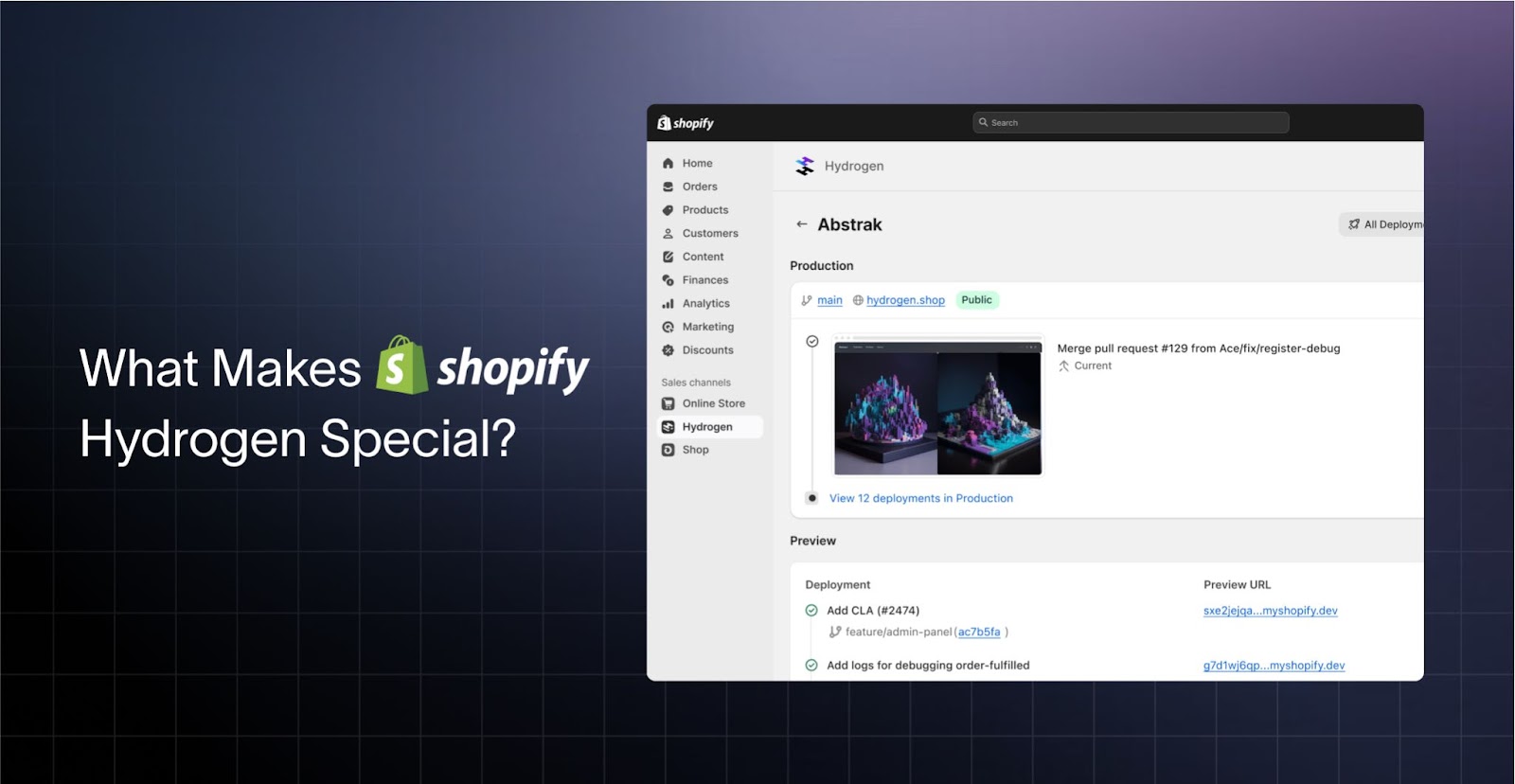
Shopify Hydrogen is a headless commerce solution developed specifically by Shopify. With Shopify Hydrogen, you can create a unique and responsive online shopping experience, without having to leave the complete and easy-to-use Shopify ecosystem.
Imagine you already have a physical store in a mall (Shopify). However, you want to stand out with a more modern store design that matches your brand identity. Shopify Hydrogen provides the tools and framework to make that happen without having to start from scratch.
Why is Shopify Hydrogen Interesting?
React-based: Shopify Hydrogen uses React, a modern technology for building interactive and fast interfaces.
Integrated with Shopify: You can still take advantage of Shopify’s backend power, such as product management, payments, and inventory, with the flexibility of headless.
Performance Optimization: Shopify Hydrogen is designed to load pages quickly, making it suitable for high-traffic stores.
Easy to Use: Compared to other headless solutions, Hydrogen is more friendly for Shopify users because it is directly integrated.
Who is Shopify Hydrogen Suitable for?
Shopify Users Looking to Improve Design and Performance: If you’re already using Shopify and want a more unique experience without the hassle, Hydrogen is a great choice.
High-Traffic Businesses: Hydrogen is designed to provide a fast and seamless shopping experience, even for large stores.
Non-Shopify Headless Commerce Solutions
Headless commerce outside of Shopify is a solution that gives you complete freedom to choose your backend and frontend platforms. It’s perfect for businesses that need unlimited flexibility, especially if you want to create a completely custom ecommerce system.
How Does It Work?
With this solution, you choose a backend (like Magento, BigCommerce, or WooCommerce) to manage your data, while the frontend is completely designed to your liking using technologies like React, Vue.js, or Next.js.
Why Choose Another Headless Commerce Solution?
Complete Freedom: You’re not tied down by any platform ecosystem. You can choose your backend, frontend, and third-party integrations.
Ability for Complex Features: If you need very specific or unique features, this solution gives you the space to develop anything.
Custom Ecosystem: You can create a system that is completely tailored to your business needs, from payment integrations to advanced analytics.
The Challenge?
Need a Strong Technical Team: Because everything is custom, you need skilled developers to manage the backend, frontend, and integrations between systems.
More Expensive: Compared to Shopify Hydrogen, which already provides many built-in features, this solution usually requires a larger investment.
When to Choose Other Headless Commerce?
If you have an experienced technical team to manage the platform.
If you don’t want to be tied to the Shopify ecosystem.
If your business requires very specific or complex features.
Key Differences Between Shopify Hydrogen and Other Headless Commerce Solutions
Headless Commerce offers incredible freedom in building an online store, but there are many ways to implement it. One popular option is Shopify Hydrogen, which is designed specifically for Shopify users who want more flexibility without leaving the established Shopify ecosystem. However, there are also many other Headless Commerce solutions outside of Shopify that provide more freedom in choosing the backend and frontend that suits your business needs.
So how do you choose between Shopify Hydrogen and other Headless Commerce solutions? What are the key differences to consider before making a decision? Here are some key aspects that set the two apart, which will help you choose the option that best suits your business goals and resources.
1. Ease of Implementation
Shopify Hydrogen: Built specifically for Shopify users, so for those of you who are already familiar with the platform, Hydrogen will be easier and faster to implement. You don’t have to build everything from scratch, just customize the design and functionality to your needs.
Other Headless Solutions: Other headless solutions may take more time and effort to configure, as you need to choose a separate backend and frontend. This usually requires more technical knowledge and can be more complicated if you’re new to it.
2. Flexibility and Customization
Shopify Hydrogen: Gives you more freedom than a standard Shopify template or theme, but is still tied to the Shopify ecosystem. You still use Shopify’s backend for product management, inventory, and payment processing, so the flexibility is within the confines of the Shopify platform.
Other Headless Solutions: Give you complete freedom in choosing your backend and frontend. You can choose a backend from a variety of platforms like Magento or WooCommerce and create a completely custom frontend with the technology of your choice. This gives you more control, but also means more integration challenges.
3. Performance and Scalability
Shopify Hydrogen: Because it’s integrated into the Shopify ecosystem, Shopify Hydrogen can deliver excellent performance, especially for stores that already have high traffic. Features like server-side rendering and performance optimizations make it a solid choice for larger businesses.
Other Headless Solutions: Headless solutions outside of Shopify can be more flexible in terms of scalability and performance. For example, you can choose a platform that is lighter or better suited to your specific technical needs. However, to achieve maximum performance, you may need an experienced technical team to customize everything.
4. Cost and Resources
Shopify Hydrogen: Typically more cost-effective for Shopify users, since you’re already leveraging Shopify’s existing infrastructure. You don’t have to pay for additional backend or hosting, and the technical setup is also easier, reducing the need for large resources.
Other Headless Solutions: While they offer more freedom, other Headless Commerce solutions can be more expensive because you have to configure the backend and frontend from scratch, integrate multiple systems, and manage your own servers. Additionally, development and maintenance costs tend to be higher, since you need a larger, more experienced technical team.
With these key differences in mind, you can decide whether Shopify Hydrogen or another Headless Commerce solution is a better fit for your goals and resources. Each solution has its own advantages, depending on your business needs and how much flexibility and control you want.
How to choose the right one for your business?
Now, you might be wondering, “How do I choose the best one for my business?” Well, the answer depends on your specific business needs, budget, and of course, your comfort level with technology.

Choose Shopify Hydrogen If:
Already Using Shopify: If you’re already using Shopify and are comfortable with the platform, Shopify Hydrogen could be a great fit. You can still take advantage of all of Shopify’s backend features, like product management, payments, and inventory, while getting more flexibility in terms of design and performance.
Want an Easier Headless Solution: Shopify Hydrogen is designed to make the headless experience easier without the need for a lot of technical know-how. So, if you want freedom in design and features but don’t want the hassle, Hydrogen is a great fit.
Less Complex Business: If your online store needs are already met with Shopify’s features, and you don’t need very complex development, Shopify Hydrogen could be the ideal solution.
Choose Another Headless Solution If:
Have a Solid Technical Team: Because Headless solutions outside of Shopify can be more technical and require more complex integrations, you’ll need a team of developers who are experienced enough to manage everything.
Want Complete Freedom: If you want more freedom in choosing your backend and frontend platforms, another Headless solution is a better fit. For example, if you want to use Magento as your backend and a custom frontend built from scratch.
Have Very Specific or Complex Needs: If your business requires specific features that Shopify doesn’t support, or if you want complete control over every aspect of your online store, Headless Commerce outside of Shopify allows for more flexible development.
Conclusion
Ultimately, Shopify Hydrogen and Headless Commerce outside of Shopify each have their own strengths and weaknesses. If you’re already using Shopify and want a more streamlined and integrated headless experience, Shopify Hydrogen is a great choice. You can still enjoy freedom in design and performance, without leaving the established Shopify ecosystem.
However, if you’re looking for complete freedom, especially if you have more complex technical needs or want to customize your backend and frontend platforms completely to your liking, then another Headless solution might be a better fit for your business.
Remember, there’s no wrong choice, just the one that best fits your needs and resources.
Ready to build something real together with your favorite creatives and tech leads? Get into contact or fill out an inquiry form.
Related articles


