Integrating Klaviyo with your Ecommerce Platform: Best practices

By Robin Laseur
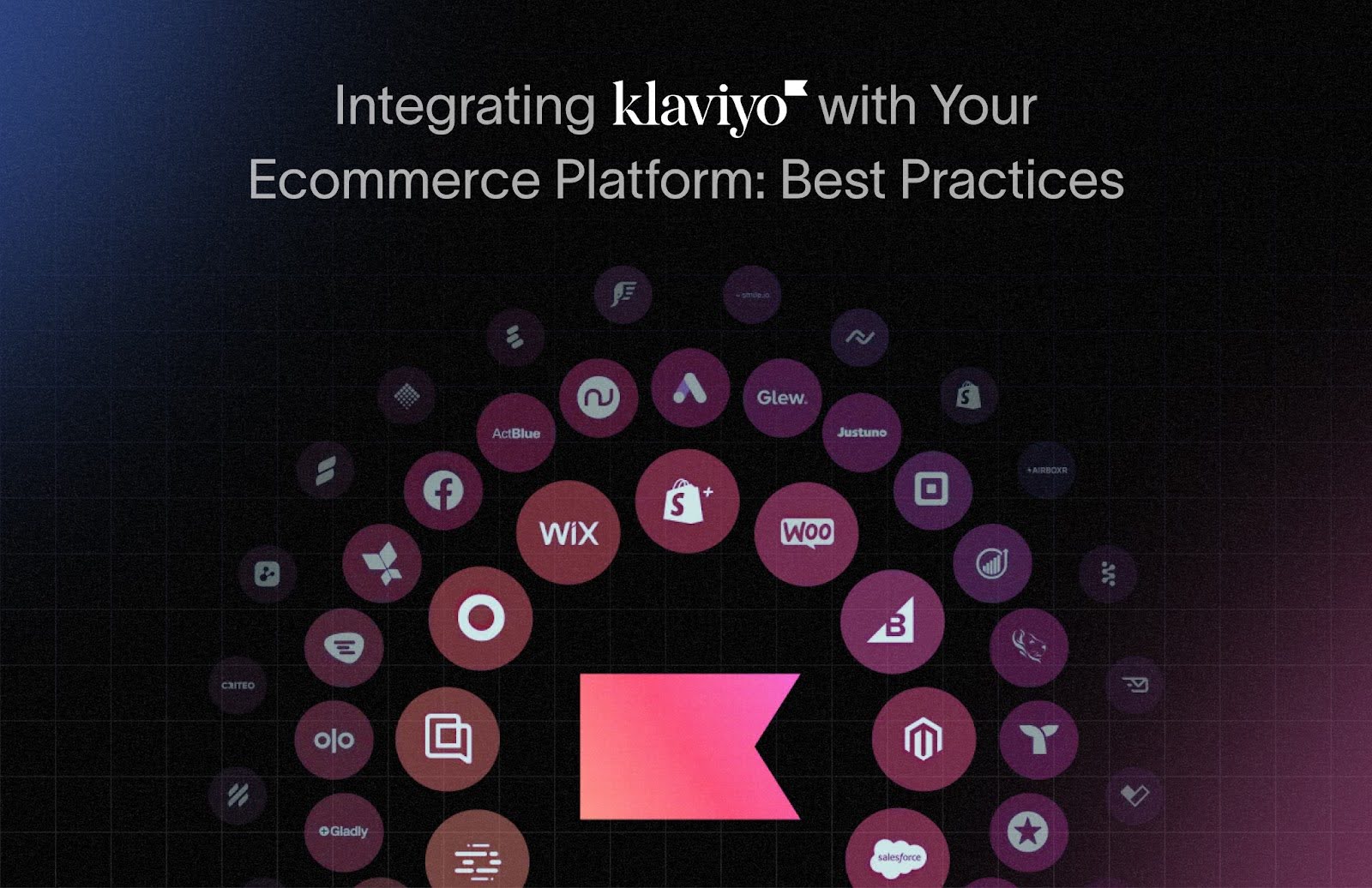
In today’s increasingly competitive ecommerce world, the ability to deliver relevant and personalized experiences to customers is key to success. With consumers becoming more discerning and selective, how can you ensure your marketing messages are hitting the mark? That’s where Klaviyo comes in. As an email and SMS marketing platform designed specifically for online stores, Klaviyo offers powerful features that help you understand your customers on a deeper level and build stronger relationships.
With clear steps and user-friendly integration features, you can immediately harness the power of Klaviyo to effectively scale your ecommerce marketing. What are the steps? How can you get the most out of Klaviyo’s features? And how can you make your marketing strategy truly impactful? This article will answer all these questions and provide practical guidance for you.
Why should you use Klaviyo?
Before we get into the technicalities, let’s discuss why Klaviyo is the right choice for your online store. In the fast-paced world of e-commerce, customers expect a more personalized and relevant shopping experience. It’s not enough to just send out mass promotional emails. You need to understand your customers’ needs, provide the right recommendations, and stay present across the channels they use.
Klaviyo is here as a solution that can bridge all these needs. With its advanced features, Klaviyo not only makes it easier to manage your marketing campaigns but also helps you build closer relationships with your customers.
Here are some of the top reasons why Klaviyo is the right choice for your business:
1. Deep personalization
Klaviyo allows you to send relevant messages to customers based on specific data such as purchase history, product preferences, or activity on your website. The result? More personalized communication and increased chances of conversion.
2. Accurate, real-time analytics
Get in-depth insights into your campaign performance. Klaviyo provides comprehensive data such as email open rates, clicks, and revenue generated, allowing you to make smarter, data-driven decisions.
3. Easy integration with E-Commerce platforms
Klaviyo is designed to connect with platforms like Shopify, WooCommerce, and Magento. The integration process is very simple, allowing for automatic syncing of customer and product data without the need for in-depth technical knowledge.
4. Efficient automation
Save time and increase efficiency with automated workflows such as welcome emails, shopping cart reminders, and even customer birthday campaigns. All of these flows can be customized to meet your business needs.
5. Flexibility at any business scale
Whether you have a small or large business, Klaviyo offers customizable features to suit your needs. With a variety of setting options, you can customize your marketing strategy without limitations.
With these advantages, Klaviyo becomes an irreplaceable tool to grow your business while building customer loyalty continuously.
Klaviyo’s advantages over other platforms
Now that we understand why Klaviyo is a powerful tool to support your marketing strategy, it’s important to look at what makes it stand out from the crowd. Many marketing platforms claim to offer an all-in-one solution, but Klaviyo has a unique advantage that makes it a favorite among ecommerce owners.
Here are some of Klaviyo’s key strengths that set it apart from the crowd:
Seamless Integration with Ecommerce Platforms
Klaviyo is designed specifically for ecommerce, so it’s quick and easy to integrate with platforms like Shopify, WooCommerce, Magento, and BigCommerce. The process doesn’t require deep technical expertise, making it more user-friendly than other tools that often require developer assistance.Focus on Fine-grained Personalization
Klaviyo excels at leveraging customer data to create a truly personalized experience compared to other platforms. From product recommendations based on purchase history to tailored birthday messages, Klaviyo lets you speak directly to your customers in a way that’s relevant to them.
More Flexible Automation
Klaviyo offers fully customizable workflow automation. This means you can create highly specific flows, such as sending emails only to customers who visited a specific product page without making a purchase. This flexibility is hard to find in other marketing platforms.
In-depth Real-Time Analytics
Unlike some platforms that only provide basic reporting, Klaviyo provides in-depth real-time data. You can track every aspect of your campaign, from email performance to revenue generated, providing key insights for better marketing strategies.
High Scalability
Whether you’re just starting out or already have a large customer base, Klaviyo can adapt its features to your needs. This makes it a great choice for small businesses to large enterprises.
Omnichannel Integration
Klaviyo doesn’t just focus on email. The platform allows you to manage SMS campaigns, social media ads, and other channels in an integrated manner, creating a consistent experience across multiple customer touchpoints.
With these advantages, Klaviyo is not just a marketing tool, but also a strategic partner that helps you maximize your business’s potential. This is why many online store owners turn to Klaviyo to take their marketing to the next level.
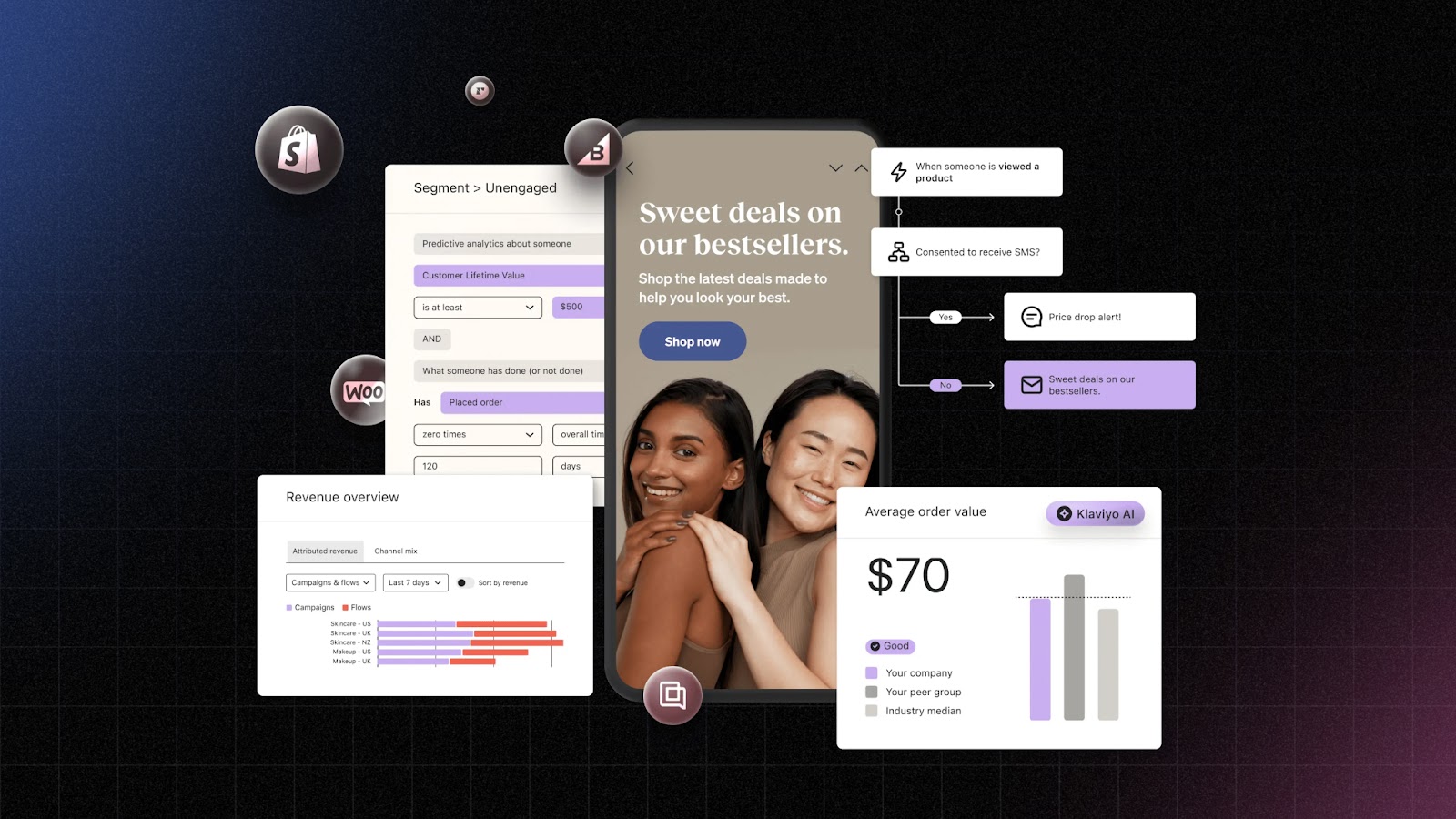
Ready to Get Started? Quick and easy steps to integrate Klaviyo
Integrating Klaviyo with your ecommerce platform is the first step to more personalized marketing success. With the right guidance, you can navigate the process with ease and start taking advantage of all of Klaviyo’s great features. Here’s a step-by-step guide:
1. Choose your platform: Shopify, WooCommerce, or Magento?
The first step is to make sure Klaviyo is compatible with the ecommerce platform you’re using. Luckily, Klaviyo supports a variety of popular platforms:
Shopify: Klaviyo has native integration with Shopify, allowing for automatic syncing of data like purchase history and customer information.
WooCommerce: The installation process is simple via the official Klaviyo plugin for WordPress.
Magento: You’ll simply need to add the Klaviyo extension to integrate your store.
Once you’ve chosen your platform, be sure to download the official Klaviyo app or plugin and follow the installation instructions.
2. Data connection: The sync that connects it all
The next step is to sync your customer and product data with Klaviyo. This is important to ensure Klaviyo can use this information for personalization:
Connect your platform’s API with Klaviyo for automatic data sync.
Make sure all customer data, including email, phone number, and purchasing preferences, is updated on your platform.
3. Set up your Klaviyo account
Once the sync is complete, it’s time to set up your Klaviyo account:
Create customer lists based on segmentation (e.g. new customers, loyal customers, cart abandoners).
Set email and SMS preferences, including template designs that match your store’s branding.
4. Prepare customer data for maximum results
To ensure a smooth integration, it’s important to make sure your customer data is clean and ready to go:
Check data accuracy: Remove duplicate or invalid entries.
Segment data: Separate customers based on their activities and preferences. This segmentation will make it easier to personalize campaigns.
Get customer consent: Make sure you have permission to send emails or SMS to customers, in accordance with privacy regulations like GDPR or CCPA.
5. Test and optimize: Don’t jump in!
Before launching a major campaign, test it out:
Send a test email or SMS to a small segment.
Monitor analytics data to make sure everything is working as planned.
6. Leverage automation for maximum results
Once everything is up and running, you can start automating workflows like:
Welcome emails to new customers.
Cart reminder emails.
Birthday campaigns or special promotions.
By following these steps, you can seamlessly integrate Klaviyo with your ecommerce platform and start leveraging its power to drive business grow.
Once integration is successful, it’s time to increase sales with Klaviyo’s marketing strategy
Klaviyo’s integration with your ecommerce platform is just the beginning. Klaviyo’s true power lies in its ability to help you design effective and personalized marketing strategies. With a variety of advanced features, Klaviyo allows you to create relevant and memorable customer experiences. Here are some strategies you can implement:
1. Automation that increases customer loyalty
Klaviyo makes it easy to create automated workflows for a variety of marketing needs:
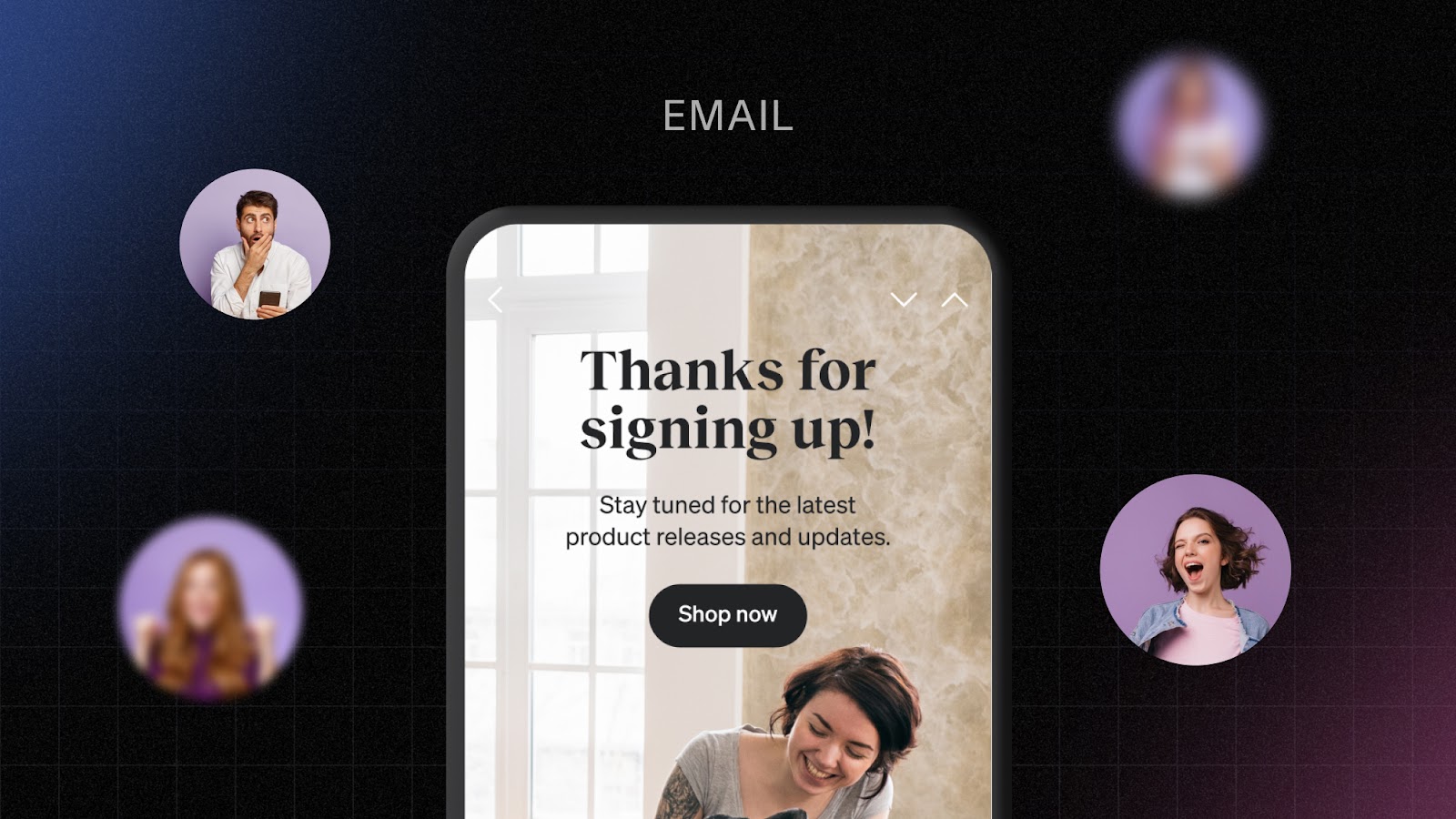
Welcome Emails: Send a personalized welcome email to new customers to create a positive first impression.
Shopping Cart Reminders: Encourage customers who abandoned their shopping carts to complete their purchase with a reminder email that includes a special discount.
Post-Purchase Follow-Up Emails: Ask customers about their experience after they receive their product, or offer recommendations for complementary products.
2. Customer segmentation for more targeted campaigns
Klaviyo allows you to segment your customers into specific segments, such as:
Loyal Customers: Offer exclusive rewards or discounts to increase loyalty.
Inactive Customers: Send a “We Miss You” campaign with a compelling incentive to bring them back.
New Customers: Educate them about your products through a series of automated emails.
3. Behavior-based campaigns
Use customer activity data to create relevant campaigns:
Send product recommendation emails based on their purchase history or products they’ve viewed frequently on your website.
Offer special promotions to customers who are close to reaching a certain loyalty threshold (e.g. reward points).
4. Use SMS to reach customers faster
In addition to email, Klaviyo also allows you to send SMS messages. Some ideas for using SMS:
Reminders of sales that are about to expire.
Order shipping status updates.
Flash sales for exclusive customers.
5. Optimize campaigns with A/B testing
To ensure your campaigns are delivering the best results, use Klaviyo’s A/B testing feature:
Try different email subject lines, designs, or send times.
Analyze the results to see which strategies are most effective.
6. Increase engagement with dynamic content
Klaviyo lets you add dynamic elements to your emails, such as:
Countdown timers for limited-time promotions.
Most viewed products.
Discounts tailored to customer preferences.
Now, It’s Time to Focus on Best Practices to Maximize Klaviyo
Now that you understand the marketing strategies that can be implemented with Klaviyo, the next step is to make sure you use this platform optimally. With the right approach, Klaviyo not only helps increase sales but also builds long-term relationships with customers.
Here are the best practices that you can apply:
1. Maximize the use of customer data
Data is Klaviyo’s main strength. To get the most out of this feature:
Integrate with CRM: If you have another customer management system, sync it with Klaviyo for more comprehensive data.
Collect Relevant Data: Make sure you have important information such as customer email, phone number, location, and purchasing preferences.
Leverage Klaviyo Insights: Use the Klaviyo dashboard to understand customer behavior patterns, such as purchase frequency and frequently viewed products.
2. Personalize every campaign
Personal Touch is Klaviyo’s strength. Apply the following tips:
Use Dynamic Content: Add dynamic elements such as customer names or product recommendations based on purchase history.
Segment Right: Divide customers into groups like loyalists, new customers, or lapsed customers for more effective campaigns.
Create Relevant Messaging: Use customer data to send emails or SMS that are tailored to their interests and needs.
3. Experiment with automation (flows)
Automation is one of Klaviyo’s best features. Some automated flows you can try:
Welcome Flow: Welcome new customers with a friendly email that introduces your brand.
Abandoned Cart Flow: Send reminders to customers who abandoned their shopping carts.
Re-Engagement Flow: Rekindle the interest of lapsed customers with special offers.
4. Test and improve your campaigns
Successful campaigns are the result of trial and error.
A/B Testing: Test email subject lines, designs, and send times to find the best combination.
Performance Analysis: Use Klaviyo’s performance reports to understand what’s working and what needs improvement.
Optimize Send Times: Send your campaigns at times that best align with customer behavior.
5. Use multi-channel marketing
Don’t just rely on email. Klaviyo allows you to leverage multiple marketing channels:
SMS Marketing: Quick and effective communication for flash promotions or order reminders.
SMS Marketing: Quick and effective communication for flash promotions or order reminders.
Social Media Integration: Sync your email campaigns with relevant ads on platforms like Facebook or Instagram.
6. Monitor and evaluate ROI regularly
To ensure your investment in Klaviyo is paying off:
Set Goals: Set clear targets such as increased conversions, clicks, or reduced customer churn.
Monitor Analytics: Use Klaviyo’s analytics reports to see if those targets are being met.
Adjust Strategies: Adjust your strategies based on the results of your evaluation.
7. Collaborate with an expert or agency
If you feel like you need more help getting the most out of Klaviyo, working with an expert can be the answer. Flatline Agency can help you create a customized strategy that fits your business needs.
Our ecommerce agency team pairs that Klaviyo strategy with the underlying Shopify build, so email flows and storefront data stay in sync.
By following these best practices, you’ll not only maximize Klaviyo’s potential but also create a more personalized and memorable experience for your customers.
Ready to build something real together with your favorite creatives and tech leads? Get into contact or fill out an inquiry form.
Related articles


F.A.Q.

Which platforms does Klaviyo integrate with?
Klaviyo connects natively with the major eCommerce platforms, including Shopify, WooCommerce, Magento (now Adobe Commerce) and BigCommerce. On Shopify you install an app, on WooCommerce the official WordPress plugin and on Magento an extension. Beyond your store, you can connect Klaviyo to your CRM and to ad platforms like Facebook and Instagram, so email and ads use the same audience data.
How do you integrate Klaviyo with Shopify?
Install the official Klaviyo app from the Shopify App Store and connect it to your Klaviyo account. Customer data, purchase history and products then sync automatically. Next, build segments such as new customers, loyal customers and cart abandoners, set up email and SMS templates in your brand style, and check that you have consent for every contact. Test on a small segment first.
Which Klaviyo flows should you set up first?
Start with flows that respond to clear customer behavior: a welcome flow for new subscribers, an abandoned cart flow, and a post-purchase flow that asks for feedback or recommends complementary products. Then add a re-engagement flow for lapsed customers and, if you collect birthdays, a birthday flow. Test subject lines, content and send times to improve each flow over time.
Do you need a developer to integrate Klaviyo?
Not for a standard setup. The native integrations for Shopify, WooCommerce and Magento sync customer and product data without in-depth technical knowledge. For custom work you do need technical help, for example to connect a separate CRM, send custom events or link a headless storefront. Flatline, a Klaviyo Platinum Partner, aligns Klaviyo strategy with the Shopify build underneath so both stay in sync.
Can you send SMS with Klaviyo?
Yes. Besides email, Klaviyo lets you send SMS from the same platform and with the same customer data, in the countries where Klaviyo supports SMS. It works well for time-sensitive messages such as expiring sales, flash sales for loyal customers and shipping updates. Make sure you have explicit SMS consent under GDPR or CCPA, and keep messages short and relevant, because SMS feels more personal than email.