Advanced automation workflows in Shopify Plus

By Robin Laseur

Efficiency is key to maintaining a competitive edge. For high-growth brands, scaling operations manually is not only time-consuming but also prone to errors. Shopify Plus offers a suite of advanced automation tools designed to streamline repetitive tasks and empower businesses to focus on growth, innovation, and customer experience. In this article, we’ll explore how Shopify Plus’s automation capabilities can revolutionize eCommerce operations.
Our second blog of our September Series “Maximising Shopify Plus for high-growth eCommerce brands: Key Strategies for 2024,” will guide you through needed strategies to leverage the full potential of automation workflows of Shopify Plus. So let’s dive right into 3 of our favourite features regarding adavanced automation:
1. Shopify Flow – Automating repetitive tasks
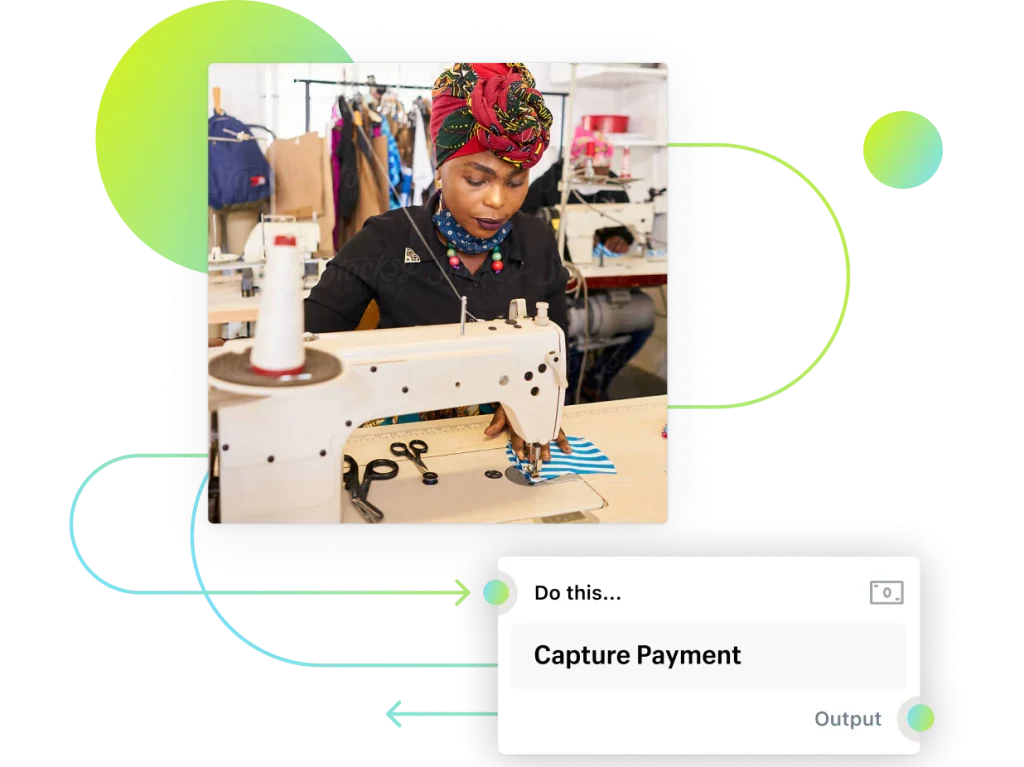
Shopify Flow is an exclusive tool within Shopify Plus that allows businesses to create custom workflows and automate repetitive tasks. Brands can use Flow for several tasks.
Trigger, condition, and action Workflows
At the core of Shopify Flow are its trigger-condition-action workflows. This simple, yet powerful framework allows you to automate almost any business process by creating workflows that react to specific events in your store.
Triggers: Events that start a workflow, such as a new order placed, low inventory threshold reached, or customer account creation.
Conditions: Specific criteria that must be met for the workflow to continue. For instance, only applying certain actions to VIP customers or orders from specific regions.
Actions: The automated processes that occur once the conditions are met, such as sending a reorder notification, tagging customers, or issuing discounts.
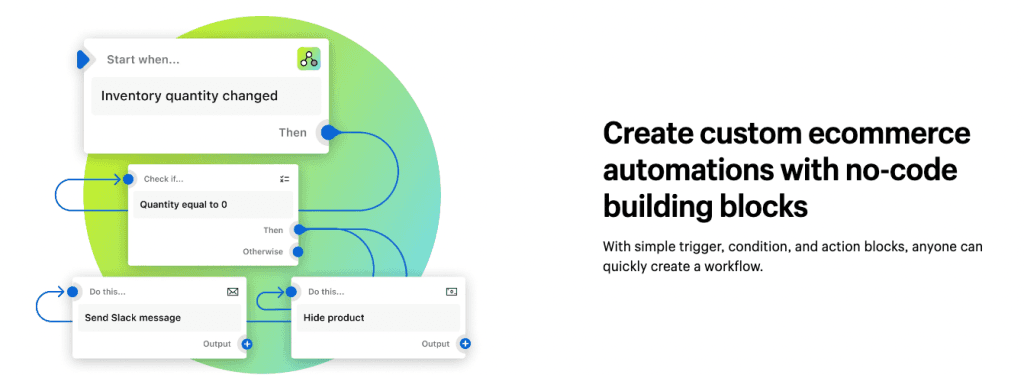
By linking these three elements, you can create workflows that run in the background, automating time-consuming tasks and ensuring accuracy across operations.
Automating Inventory Management
Keeping inventory levels optimized is a challenge for any high-growth business. Shopify Flow can automatically manage inventory levels by:
Sending reorder notifications when stock levels fall below a predefined threshold, ensuring you never run out of popular products.
Automatically adjusting stock levels based on sales data and multi-location inventory rules, ensuring that orders are routed to the most efficient fulfillment center.
Flagging low-stock items in real-time so your team can take immediate action.
Scheduled Workflows for seasonal events
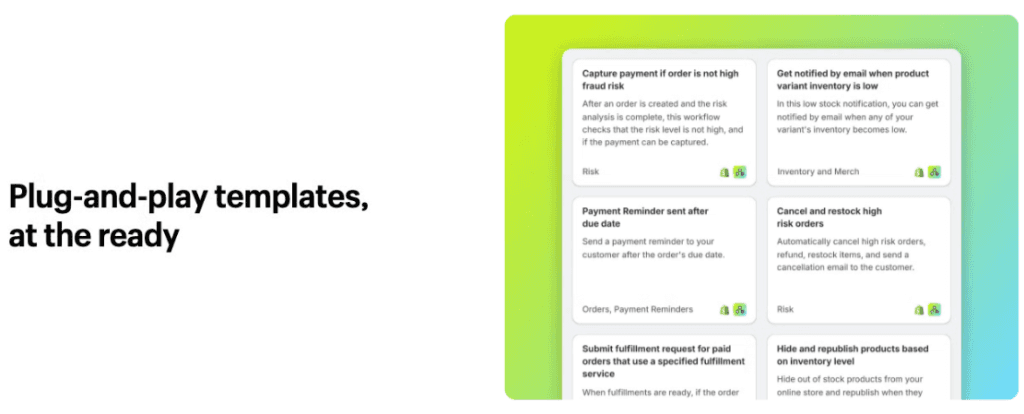
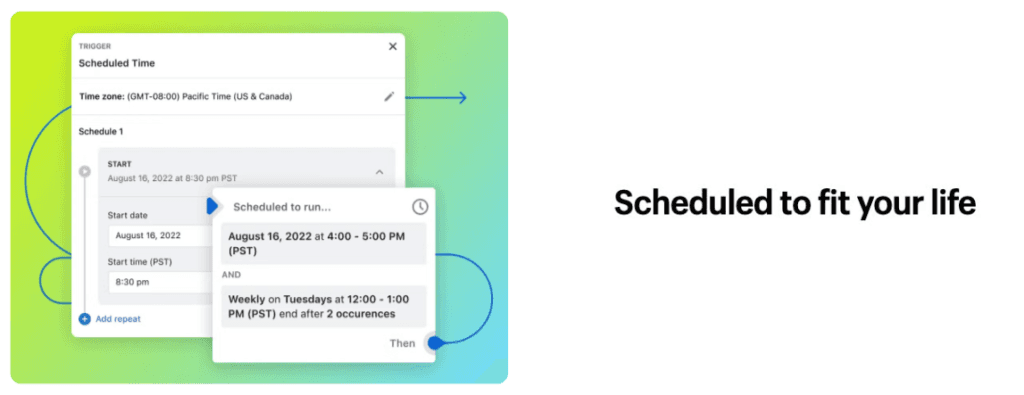
Scheduled workflows in Shopify Flow allow businesses to automate tasks at predefined times, enabling more control over when certain processes are triggered. This feature is particularly useful when you want to automate tasks based on a regular schedule rather than immediate triggers, allowing brands to streamline operations without constantly monitoring them in real-time.
For businesses that experience seasonal demand or operate event-driven campaigns, scheduled workflows help automate preparations and responses. For example:
Automating holiday promotions: You can schedule workflows to activate discounts, launch specific collections, or trigger email campaigns during Black Friday, Cyber Monday, or other peak sales seasons.
Inventory pre-orders: If you have new product launches or seasonal items coming in, you can set up workflows to automatically notify customers when the items become available.
Streamlining customer segmentation and personalisation
Personalised customer experiences are a key differentiator in eCommerce. With Shopify Flow, brands can automatically segment customers based on behaviors and attributes, such as:
Automatically tagging customers based on their total spend, order frequency, or product preferences, allowing for hyper-targeted marketing and personalized product recommendations.
Triggering personalized email campaigns for VIP customers, abandoned carts, or post-purchase follow-ups, helping drive repeat business and increase customer lifetime value.
For example, you can set up a workflow that automatically tags customers as “VIP” once they’ve placed three or more orders, unlocking exclusive discounts or early access to sales.
Learn how to increase workflow automation with Shopify here:
Shopify Flow
2. Automating marketing campaigns with Shopify Plus integrations
Effective marketing automation is essential for high-growth brands looking to scale. Shopify Plus integrates seamlessly with leading marketing platforms like HubSpot and Klaviyo, enabling businesses to automate marketing efforts across multiple channels, drive engagement, and boost conversions without needing to manually manage campaigns.
Cross-channel marketing automation with HubSpot
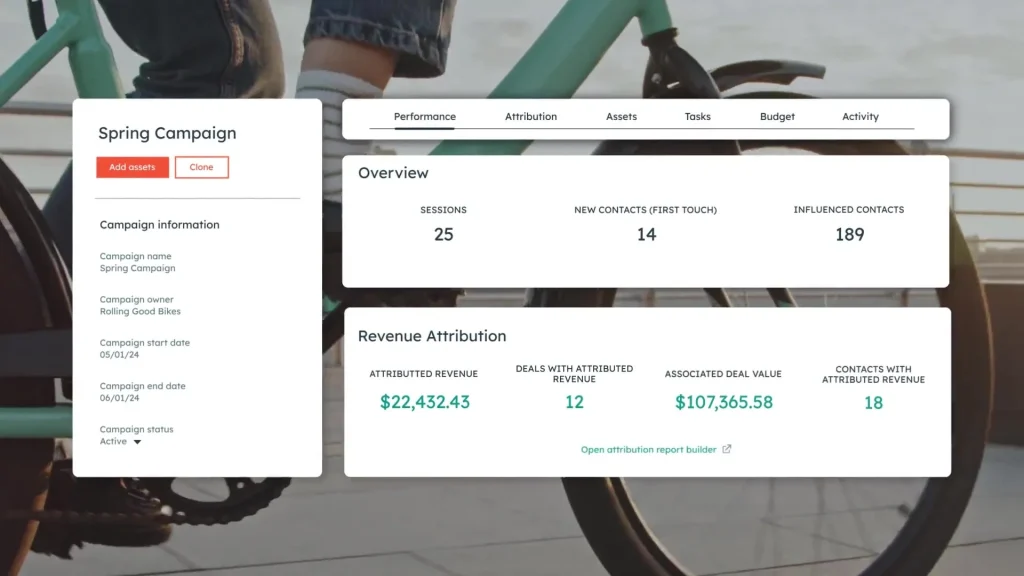
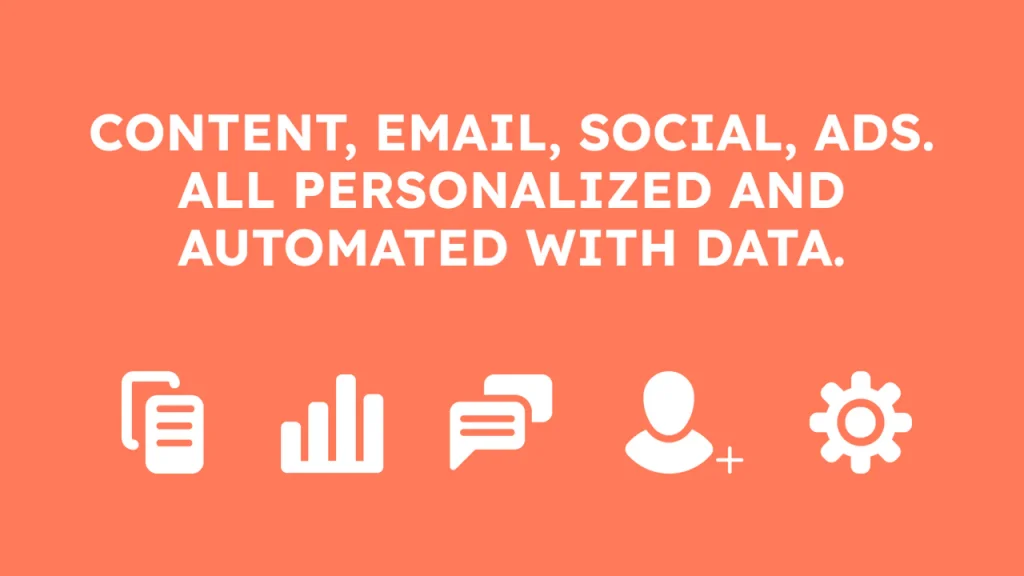
HubSpot, a leading CRM and marketing automation platform, allows Shopify Plus merchants to centralise their customer data and automate cross-channel marketing campaigns that span email, social media, and paid ads. Here’s how HubSpot’s integration with Shopify Plus can streamline and enhance your marketing strategy:
Customer Segmentation
HubSpot automatically syncs customer data from Shopify Plus, enabling you to segment your audience based on purchase history, behaviour, and lifecycle stage. For instance, you can create segments for first-time buyers, repeat customers, or those with abandoned carts.
Personalised Campaigns
Using the customer segments created, you can trigger highly personalized marketing campaigns across multiple channels. For example, launch Facebook and Google Ads that automatically display product recommendations based on a customer’s browsing history on your Shopify store.
Lifecycle marketing automation
HubSpot allows you to design and automate marketing workflows that target customers at different stages of the buyer journey. Automate nurturing campaigns for leads who’ve signed up for newsletters, re-engagement campaigns for dormant customers, and loyalty programs for repeat buyers.
Hubspot X Shopify integration
With HubSpot, you can seamlessly integrate your Shopify Plus data across all your marketing channels—email, social media, paid advertising, and even live chat. This allows you to deliver consistent and cohesive messaging across platforms, ensuring a unified customer experience.
Email Marketing automation with Klaviyo
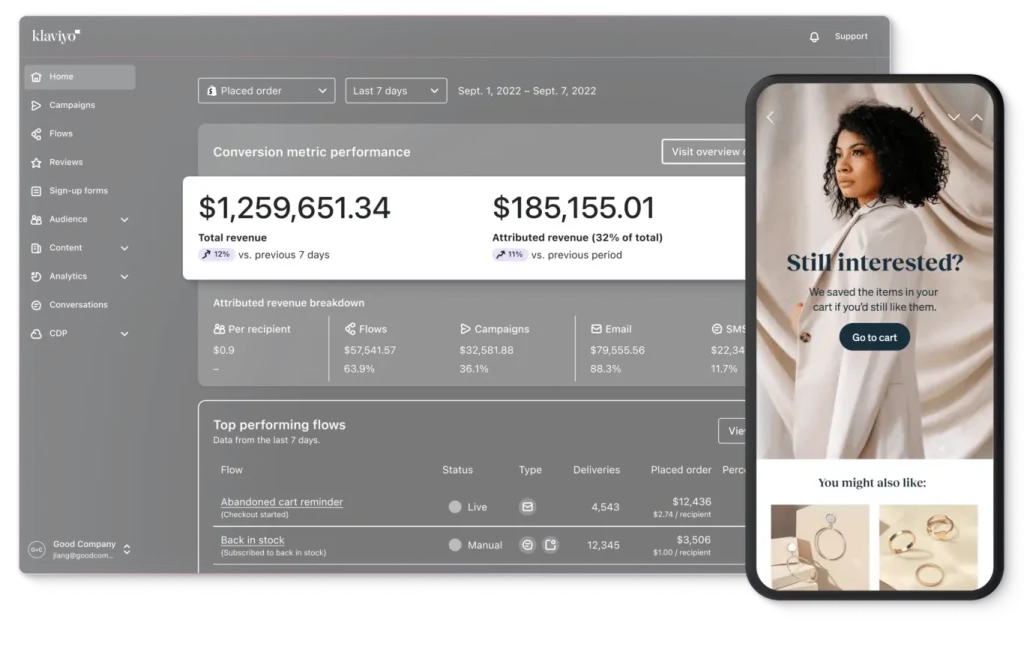
For email marketing automation, Klaviyo is one of the most powerful tools Shopify Plus brands can leverage. By integrating Klaviyo with Shopify Plus, businesses can automate email campaigns that are not only timely but also deeply personalized, helping increase open rates, click-throughs, and conversions.
Behavioral triggers
Klaviyo’s deep integration with Shopify Plus allows you to automatically trigger emails based on customer behaviour on your store. These include abandoned cart reminders, product recommendations, and post-purchase follow-ups.

If a customer views a product doesn’t complete the purchase, Klaviyo can automatically send an email reminding them of the item, often accompanied by a discount or product review to encourage conversion.
Dynamic email content
With Klaviyo, you can create emails that dynamically update content based on customer data and product availability. This allows you to send personalised product recommendations or showcase trending items that are specific to each recipient’s interests.
Advanced segmentation
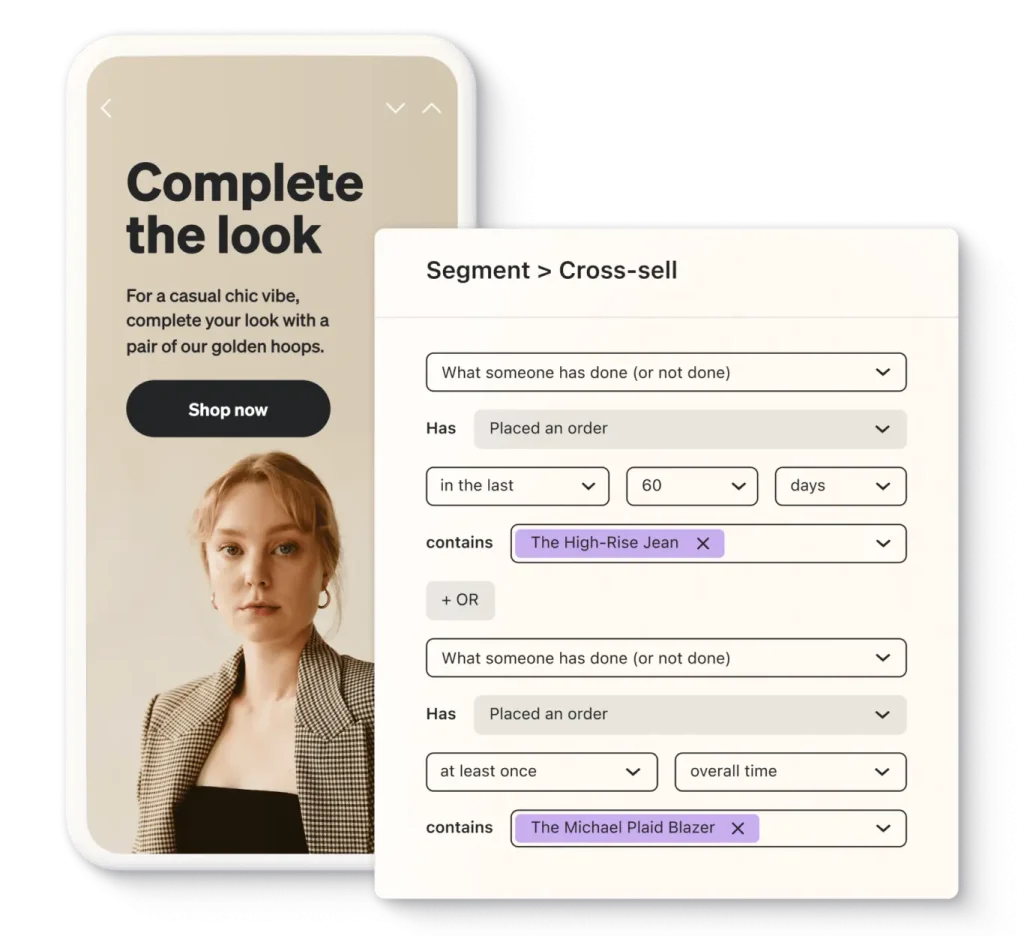
Klaviyo makes it easy to create highly targeted email campaigns based on customer segmentation.
Segments can be built on data such as purchase history, browsing behaviour, geographic location, and more. This enables businesses to send the right message to the right customer at the right time, improving the likelihood of conversion.
Pre-built email flows
Klaviyo offers a wide range of pre-built email flows that can be customised to suit your brand’s needs. These include flows for welcoming new subscribers, re-engaging inactive customers, and cross-selling complementary products after a purchase. Once set up, these automated email flows run in the background, driving engagement and revenue without requiring constant attention.
Klaviyo X Shopify Integration
The seamless one-click eCommerce integration allows you to sync all your historical and real-time data, so you can stay on top of every interaction people have with your site.

The beauty of Hubspot and Klaviyo in combination
While HubSpot is ideal for cross-channel marketing, integrating it with Klaviyo allows for a more cohesive customer experience. HubSpot can manage your broader marketing efforts across multiple channels, while Klaviyo focuses on fine-tuning email campaigns that speak directly to customers based on their interaction with your Shopify Plus store. Together, these tools provide a comprehensive marketing automation strategy that ensures every customer touchpoint is optimised for engagement and conversion.
3. Leveraging AI for predictive automation

The future of eCommerce is being shaped by AI and Shopify Plus is at the forefront of integrating these technologies to help high-growth brands automate processes, predict customer behaviour, and personalise experiences at scale. With the introduction of Shopify Magic and other AI-powered tools, Shopify Plus enables businesses to make data-driven decisions that optimise operations, marketing strategies, and customer engagement in ways that were previously impossible.
Shopify Magic: Automating product descriptions with AI
One of the most time-consuming tasks for ecommerce brands is crafting product descriptions that are both informative and engaging. Shopify Magic’s AI-powered tool automates this process by generating high-quality, SEO-friendly product descriptions in seconds. This not only saves time but also ensures consistency across product listings, helping businesses scale without sacrificing quality.
Key benefits of Shopify Magic include:
Time savings: Automate the generation of product descriptions, reducing the need for manual input from copywriters or product managers.
SEO optimisation: AI-generated descriptions are optimised for search engines, helping improve organic traffic while also providing key product information to customers.
Customisation options: Shopify Magic allows you to customise the tone and length of descriptions, ensuring they align with your brand voice and the specific details of each product.
AI-driven dynamic pricing strategies
Shopify Plus’s AI tools allow brands to implement dynamic pricing strategies based on real-time market data and customer demand. With AI and machine learning, ecommerce brands can automate pricing adjustments based on:
Competitor pricing: Automatically adjust your prices to remain competitive in the market. If a competitor lowers their price, Shopify’s AI can recommend similar adjustments for your products to ensure you stay in the game.
Customer demand: AI tools can analyze customer behavior and adjust pricing based on demand trends. For example, if a product is in high demand, the price may automatically increase to optimize margins.
Seasonality and sales trends: Automatically lowering prices on seasonal products or running sales campaigns based on predicted demand can ensure your business remains agile and responsive to market conditions.
Personalized Product Recommendations
Personalisation is key to delivering an exceptional customer experience, and Shopify Plus’s AI capabilities enable brands to provide highly personalised product recommendations. By analysing customer browsing history, past purchases, and real-time behaviour, AI can:
Recommend products dynamically: Show customers the products they’re most likely to purchase based on their interests and behavior. For example, a customer who frequently buys running shoes might be shown complementary items like athletic socks or performance apparel.
Automate upselling and cross-selling: AI-powered product recommendations can automatically suggest upsells (higher-priced items) or cross-sells (related products) at checkout, helping increase average order value.
Drive engagement through personalized emails: Integrating AI-generated recommendations into email campaigns allows for highly targeted, personalized outreach, resulting in higher engagement and conversion rates.
Leveraging Shopify Plus’s AI tools enables highly growing brands to automate processes that would traditionally require extensive manual oversight. From generating product descriptions to optimising inventory and pricing, AI allows brands to make smarter decisions, predict customer behaviour, and deliver personalised experiences that drive engagement and revenue.
TO SUM UP
Scaling operations efficiently is essential for high-growth eCommerce brands, and Shopify Plus provides the advanced automation tools necessary to streamline repetitive tasks and reduce manual effort. From automating workflows with Shopify Flow to integrating powerful marketing tools like HubSpot and Klaviyo, businesses can boost customer engagement and optimise campaigns across multiple channels. Additionally, Shopify Plus’s AI tools, such as Shopify Magic and dynamic pricing, help brands predict customer behaviour and personalise their strategies for maximum impact. By leveraging these automation features, brands can focus on growth, innovation, and delivering exceptional customer experiences.
Configuring Flow, Klaviyo, and HubSpot to actually work together is exactly the kind of build our ecommerce agency handles for growing Shopify Plus brands.
See you next week!
Next week we’re going international – put your seatbelts on – we’ll be exploring Shopify Plus all over the globe. See you next tuesday!
Related articles


